About Us
My grandfather ploughed the land at Arthurton, New Zealand for nearly 50 years, walking behind a pair of Clydesdales. Every so often a stone would be revealed that didn’t look quite right – different colour, different weight, different feel in the hand.
He kept those aside, wiping the soil off and pocketing them to take home for a small collection he had. They weren’t valuable. They were just the ones that stood out.
He called them “Moa Stones,” after the local teacher told him that’s probably what they were.
That small dish of gastroliths was the first sign, in our family at least, that noticing things matters.
The land gives up its oddities one at a time, and someone has to be paying attention to see them.
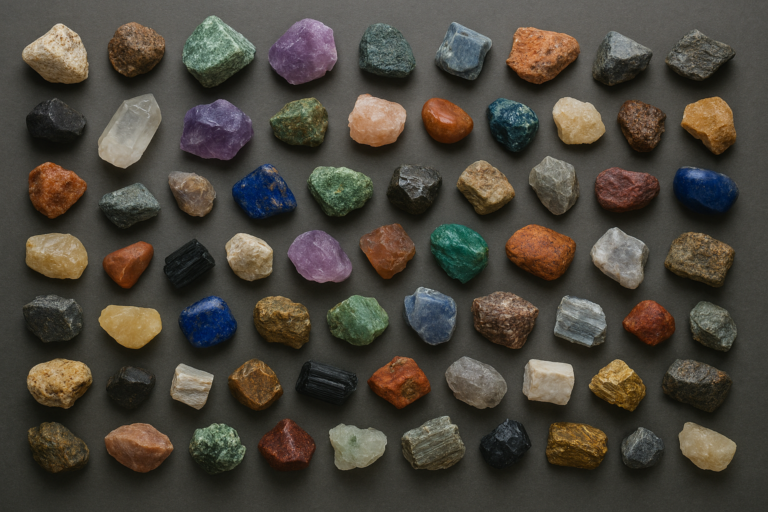
My parents also collected stones. On trips I remember the car slowly filling up with rocks and bits of “stuff,” but mostly with stones that stood out from the others. The ones that caught their eye came home with us, no questions asked.

I collected stones too – always wondering where they came from, how old they were and what shaped them into what we see. Growing up on the same farm we had no shortage of rocks to deal with, so over time I learned to tell them apart and started noticing the patterns.
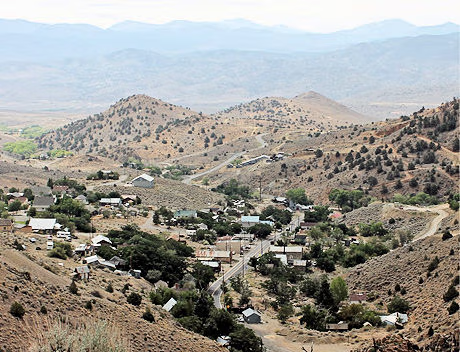
In 1995 I visited a full‑scale rock shop in Silver City, Nevada – the kind of place that existed for a moment in time and then vanished. Rows of geodes worth thousands left a mark on me, and that visit helped shape the way I see deep‑time objects today.
Rocks have been a “thing” in our family for well over a hundred years, and eventually I realised it was time to take that seriously and satisfy my own curiosity.
That’s how Time Frozen was born — not just rocks, but old, deep‑time objects: fossils, amber, crystals, coins, and anything else that carries a story from long before us. Have a look through the small gallery, and once we’re properly organised there will be more deep‑time items available here for sale.